
Государственный природный заповедник



 +7 984 182 1601 (оперативный)
 +7 (42455) 21-502
 Zapovednik_Kurilskiy
 Все контакты

Новости по месяцам в
New archaeological sites are found on the islands of the Lesser Kuril Ridge

The current condition of historical and cultural monuments of islands of the Lesser Kuril Ridge and Kunashir was examined on May 6-10, 2014.
Igor Samarin, the leading advisor of Cultural Heritage Protection Department of the Ministry of Culture of the Sakhalin region, and Olga Shubina, chief scientific officer of the Sakhalin Regional Museum of Local Lore performed the aforesaid examination. Transportation of the members of the expedition was organized by Dmitry Sokov, senior government inspector of the South Kuril area of the State Inspectorate for Small Vessels.
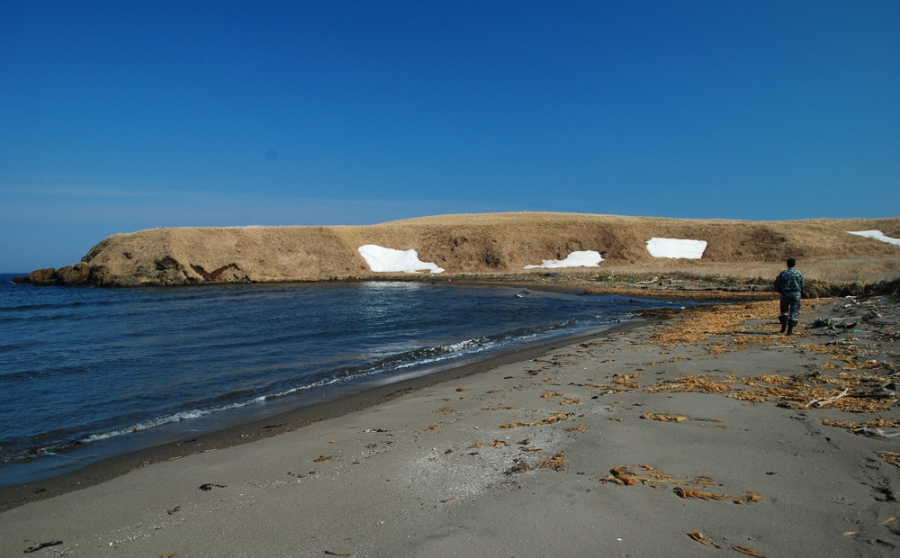
The researchers examined and determined the boundaries of the Japanese cemetery in the village of Malokurilskoe on the island of Shikotan, where in the 1920s and 30s several Orthodox Ainu, including Yakov Storojev, the last Ainu Elder, were buried; they also examined the condition of the memorial sign in honor of the 300th anniversary of the opening of the Kuril Islands by Russian explorers on the island of Tanfilev, as well as a number of archaeological sites (sites and ancient human settlements) on the islands of Kunashir, Zelenyi, Yuri, Tanfiliev.
It isn’t the first time such work is carried out on the islands: since 2001 scientists have made several expeditions with the purpose to identify and document the cultural heritage of the South Kuril region. They noted a number of changes on the islands that had occurred since the commencement of the research. Coastlines are being destroyed by wave and wind erosion, especially on Kunashir (area of Golovnino, the Belozerka River, and the east coast of the island). The dune outcrops on the islands of Yuri and Zelenyi, where earlier the remains of ancient sites were found, got grassy. At the same time new erosional outcrops appeared. The researchers noted a significant anthropogenic impact, especially in the area of Yuzhno-Kurilsk. Activities of military men during the planned exercises are very disturbing, especially active excavation begun in May and resulting in significant damage to historic objects (ancient sites), for example, in the area of the Lake Aliger (site “Aliger-1”), on the Cape “Dog’s Head” (fortified settlement Lagunnoe-3).
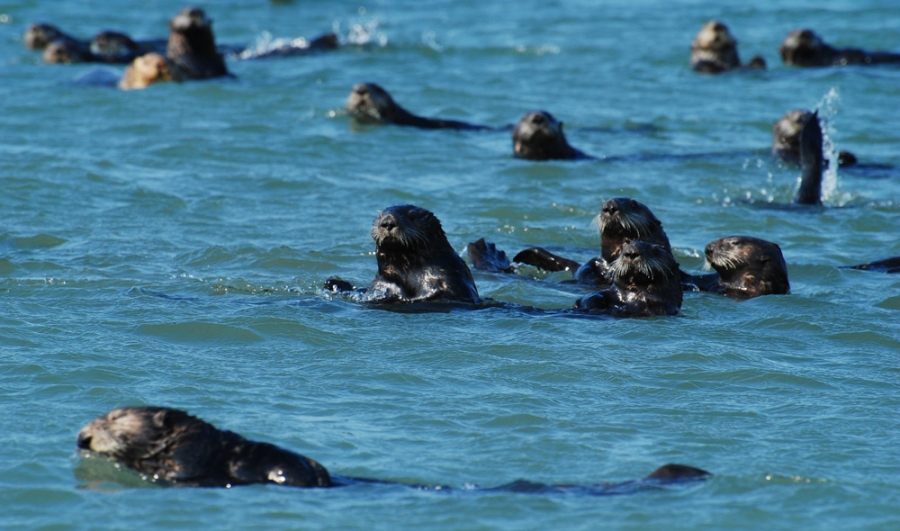
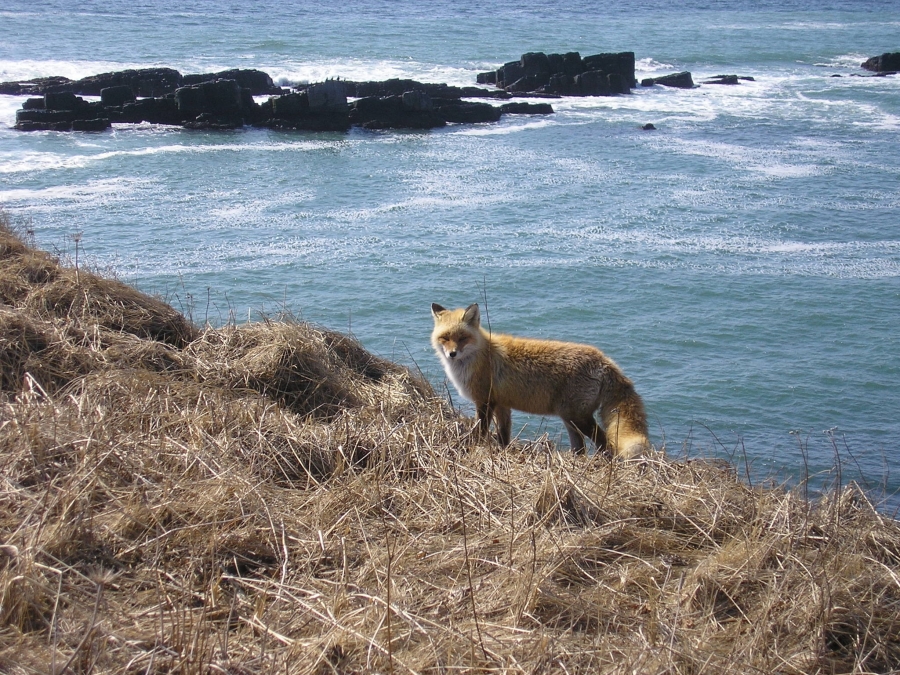
It should be remembered that people at all times choose the place for their villages being guided by the same criteria, so modern villages, “fishing settlements”, outposts, summer houses are usually located at the same places where ancient inhabitants of the Kuril Islands - Ainu and their ancestors, had been living earlier for thousands of years. Therefore, any excavation work carried out by modern man can lead to damage and destruction of ancient sites. To save the objects of our historical and cultural heritage, to avoid their destruction, even unintentional, there is a land allotment agreement procedure. It is not a mere formality, it is an effective way to preserve and pass on to our descendants the priceless historic heritage. During their trip, the researchers observed the fauna of the Kuril Islands: they encountered a lot of species of birds, seals, foxes and a large group of sea otters (about 50 units) at Cape of Walton of the Island of Zelenyi. A great number of white-tailed eagles, which at this time of the year feed themselves with young seals and sea otters, were found on the Islands of Demin.
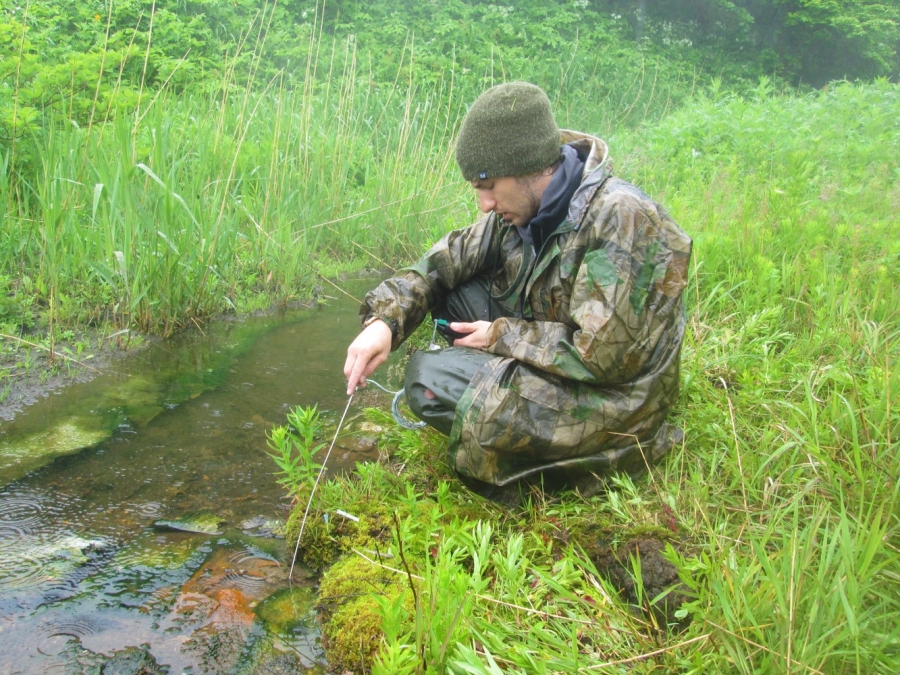
During walking trips along the islands two new archaeological sites (temporary man site and ancient settlement with the remains of the semi-subterranean dwellings) were found, not with standing the fact that originally the researches didn’t intend to search for new man sites.
By now about one hundred and fifty archaeological monuments have been discovered on Kunashir, about thirty monuments have been discovered on Shikotan and twelve (now fourteen) - on the islands of the Lesser Kuril Ridge. Archaeological sites originate from different stages of the Neolithic culture “Jomon” (from 8000 years ago until the turn of the eras), paleometal cultures (early Iron Age) – cultures of Okhotsk, tobinitay, satsumon (mid 1st millennium BC - early 2nd millennium BC), the Ainu Culture (XII-XIII centuries - mid XX century).
18.05.2014
Комментарии
Чтобы оставить комментарий, нужно

 Недавние новости
Новый мультиязычный сайт заповедника «Курильский» начал свою работу
С 5 декабря 2021 г. новый официальный сайт заповедника «Курильский» www.kurilskiy.ru начал работу в тестовом режиме. Для мобильных устройств сделана адаптивная версия сайта.
Загадочные обитатели прибрежных песчаных отмелей Кунашира
24-25.11.2021 на песчаное побережье полуострова Весловский на Кунашире штормом выбросило удивительных морских обитателей песчаных отмелей. Это оказались черви Эхиуриды и иглокожие Молпадиды. В последнее время массовые выбросы морских беспозвоночных стали частым явлением.
Российское общество «Знание»: день на Кунашире
11-12.11.2021 съемочная группа Российского общества «Знание» (г. Москва) в сопровождении сотрудников заповедника «Курильский» посетила полуостров Весловский и вулкан Менделеева.
Медиа
Новости ООПТ
22 апреля 2020 г., в мире в 50-ый раз отмечается День Земли.
Активное участие в юбилейных мероприятиях приняли особо охраняемые природные территории федерального значения.
Утвержден новый Список Красной книги РФ!
02.04.2020 Минюст России зарегистрировал приказы Минприроды России, подписанные министром природных ресурсов и экологии РФ Дмитрием Кобылкиным, об утверждении Перечня объектов животного мира, занесенных в Красную книгу Российской Федерации и порядок ведения Красной Книги. Документы опубликованы на официальном интернет-портале правовой информации http://publication.pravo.gov.ru/SignatoryAuthority/foiv090
Министр природных ресурсов и экологии РФ Д.Кобылкин доставит в Антарктиду на станцию Беллинсгаузен флаг 200-летия открытия Антарктиды и Знамя Победы
24.01.2020 российская делегация во главе с министром природных ресурсов и экологии РФ Д.Кобылкиным отправилась к месту проведения официальных торжеств в честь 200-летия открытия Антарктиды русскими моряками Ф.Ф.Беллинсгаузеном и М.П.Лазаревым.
Министр природных ресурсов и экологии РФ Дмитрий Кобылкин поблагодарил коллег, единомышленников, деловых партнеров, волонтеров, губернаторов, депутатов, сенаторов и даже оппонентов – всех участников п
...Глава Минприроды России отдельно отметил вклад ученых и зоозащитных организаций в деле освобождения морских млекопитающих в Приморье. «В этом году российские ученые вместе с иностранными экспертами провели уникальную в мире операцию по спасению морских млекопитающих. Все косатки и белухи благополучно вернулись в традиционную среду обитания», – подчеркнул министр...
Дмитрий Кобылкин провел межведомственное совещание для решения судьбы косаток и белух, содержащихся в бухте Средней Приморского края
25 февраля, в Минприроды России состоялось рабочее совещание по вопросу определения дальнейших процессуальных действий в отношении морских млекопитающих, незаконно выловленных и временно содержащихся в вольерах бухты Средняя Приморского края.
Дмитрий Кобылкин и Сергей Иванов откроют 70-ю сессии комитета СИТЕС, которая впервые пройдет в России
В ходе мероприятия российские специалисты смогут предметно проинформировать участников о принимаемых в нашей стране мерах и научных исследованиях по сохранению, переднеазиатского и дальневосточного леопардов, амурского тигра, белого медведя, белогрудого (гималайского) медведя, соколов, сайгака, осетров, других редких видов животных, растений и грибов, а также об опыте природопользования.
При использовании материалов ссылка на сайт заповедника «Курильский» обязательна.
